
Sound Is More Than Something You Hear.
It’s something your body experiences.

Through sound, vibration, breath, and intentional sequencing, my sound immersions are designed to quiet the mind, support nervous system regulation, and create an environment in the body that allows you to relax deeply and sleep better.
Better Regulation. Deeper Relaxation. Better Sleep.
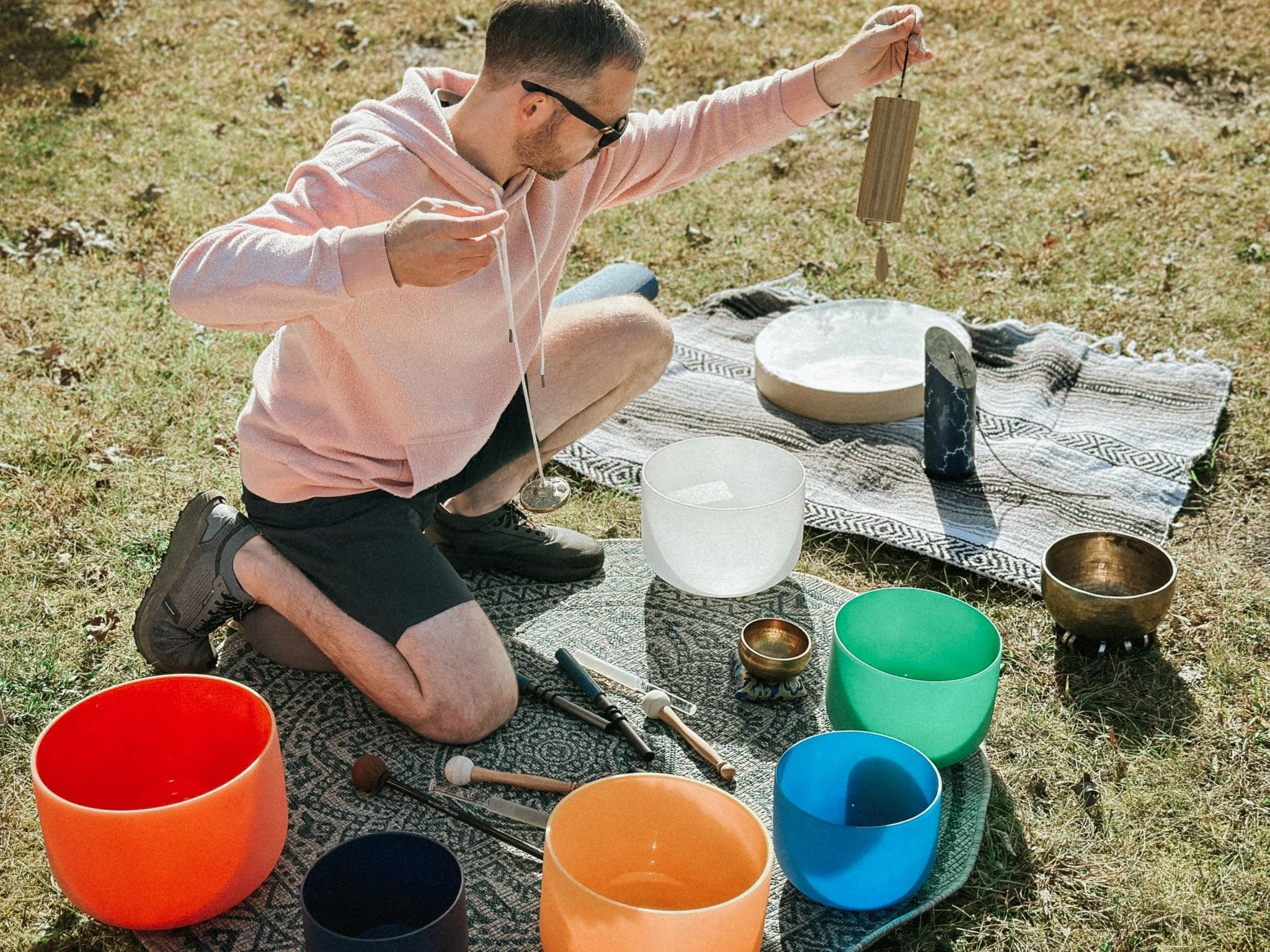
Sound Has Been Used Intentionally for Thousands of Years.
Long before modern sound baths, humans used sound, rhythm, music, chanting, and vibration as part of ceremonies, healing traditions, spiritual practices, connection, and relaxation.
Across cultures and throughout history, sound has been used intentionally to influence how people feel—physically, mentally, and emotionally.
Sound healing may look different today, but the idea behind it isn't new.
Our bodies respond to sound.
Rhythm can influence breathing. Music can affect emotion and attention. Repetitive and sustained sounds can draw our attention away from the constant stream of thoughts and toward a quieter, more relaxed state.
And as the mind quiets and the body settles, we create an environment that supports the nervous system's shift toward rest and recovery.
Sound isn't just something we hear. It's something we experience.
Sound Is Ancient. The Science Is Catching Up.
For thousands of years, cultures around the world intentionally used sound, rhythm, chanting, music, and vibration during ceremonies, healing traditions, meditation, and spiritual practices.
One of the oldest known musical instruments, the didgeridoo, dates back tens of thousands of years. Ancient civilizations—including those in Egypt, Greece, India, Tibet, and many Indigenous cultures—recognized that sound could profoundly influence the human experience.
While many historical stories about sound healing have been passed down through tradition, modern science is now helping explain why sound can affect how we feel.
Today we know that rhythm can influence breathing, music can change emotion, and sustained sounds can help shift attention away from constant mental chatter. As the mind quiets and breathing slows, the nervous system has an opportunity to move toward a calmer, more regulated state.
The instruments themselves aren't the medicine. They are tools used to create an environment that allows your body to do what it was designed to do—relax, regulate, and recover.
My Approach to Sound Immersion
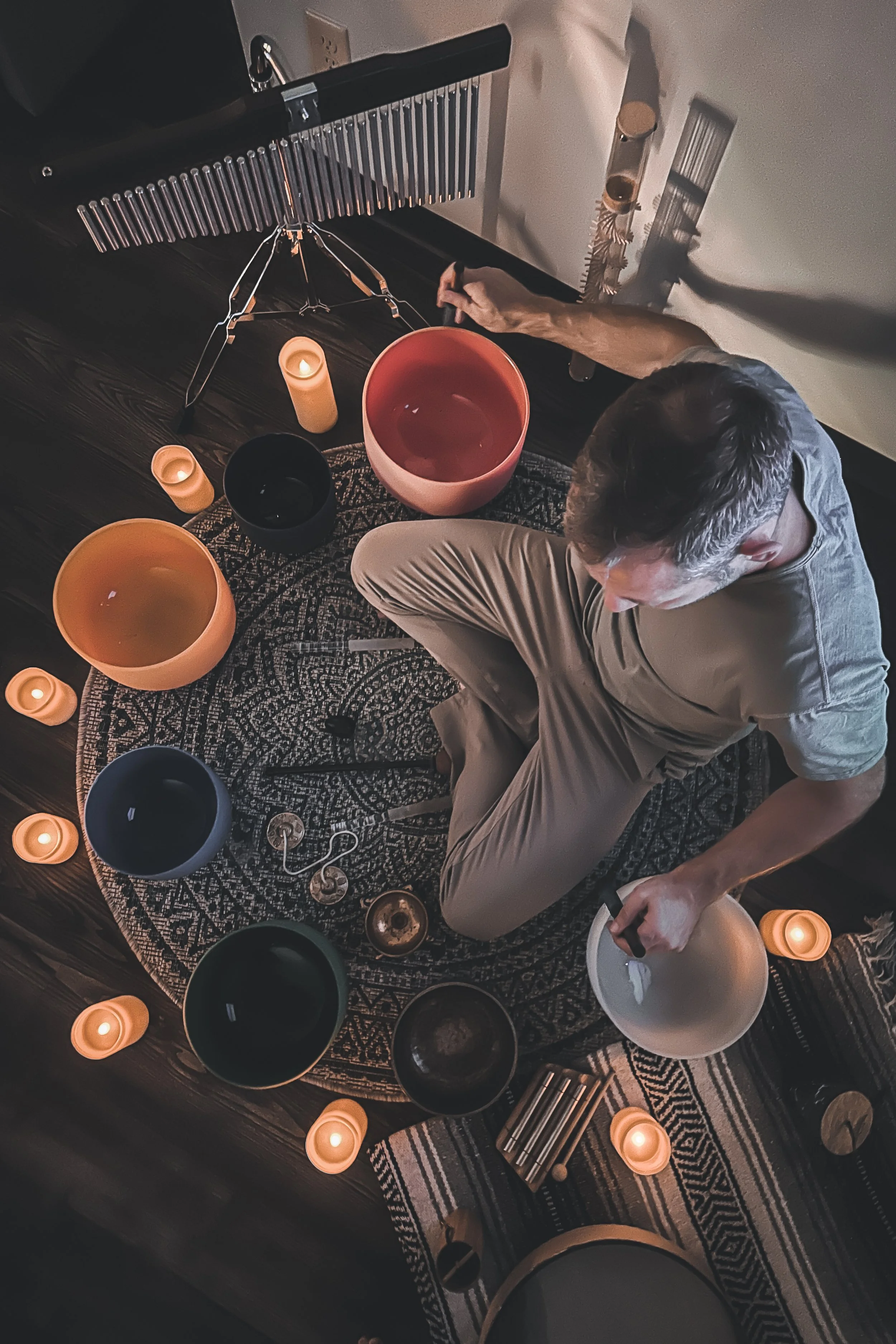
Every sound immersion I guide follows a thoughtful progression designed to help the nervous system gradually transition from alertness to deep relaxation. Rather than simply playing instruments, I intentionally sequence breathwork, rhythm, vibration, silence, and sustained tones to create an environment that quiets the mind and supports the body's natural relaxation response.
I begin with guided breathing to help settle the mind and activate the parasympathetic nervous system. From there, I gradually introduce different sounds and frequencies that encourage attention to shift away from the constant stream of thoughts and toward the present moment.
As the experience deepens, sustained vibrations from crystal singing bowls, Tibetan bowls, chimes, bells, drums, and other carefully selected instruments help create an immersive environment that supports deeper states of relaxation. Every group is different. Throughout each session, I continuously observe the room's energy and adapt my pace, volume, instrument selection, and timing to meet the needs of the individuals in front of me. Guiding people into deep relaxation—and gently bringing them back out—is a skill developed through training, experience, and an understanding of how the nervous system responds to sound.
The final portion of every sound immersion is just as important as the beginning. Rather than ending abruptly, I intentionally guide participants back to full awareness using gentle sounds, my voice, breath, and movement so they leave feeling grounded, refreshed, and fully present.
A great sound immersion isn't defined by the instruments being played. It's defined by how they're intentionally used to guide the nervous system from a state of stress toward one of deep relaxation.
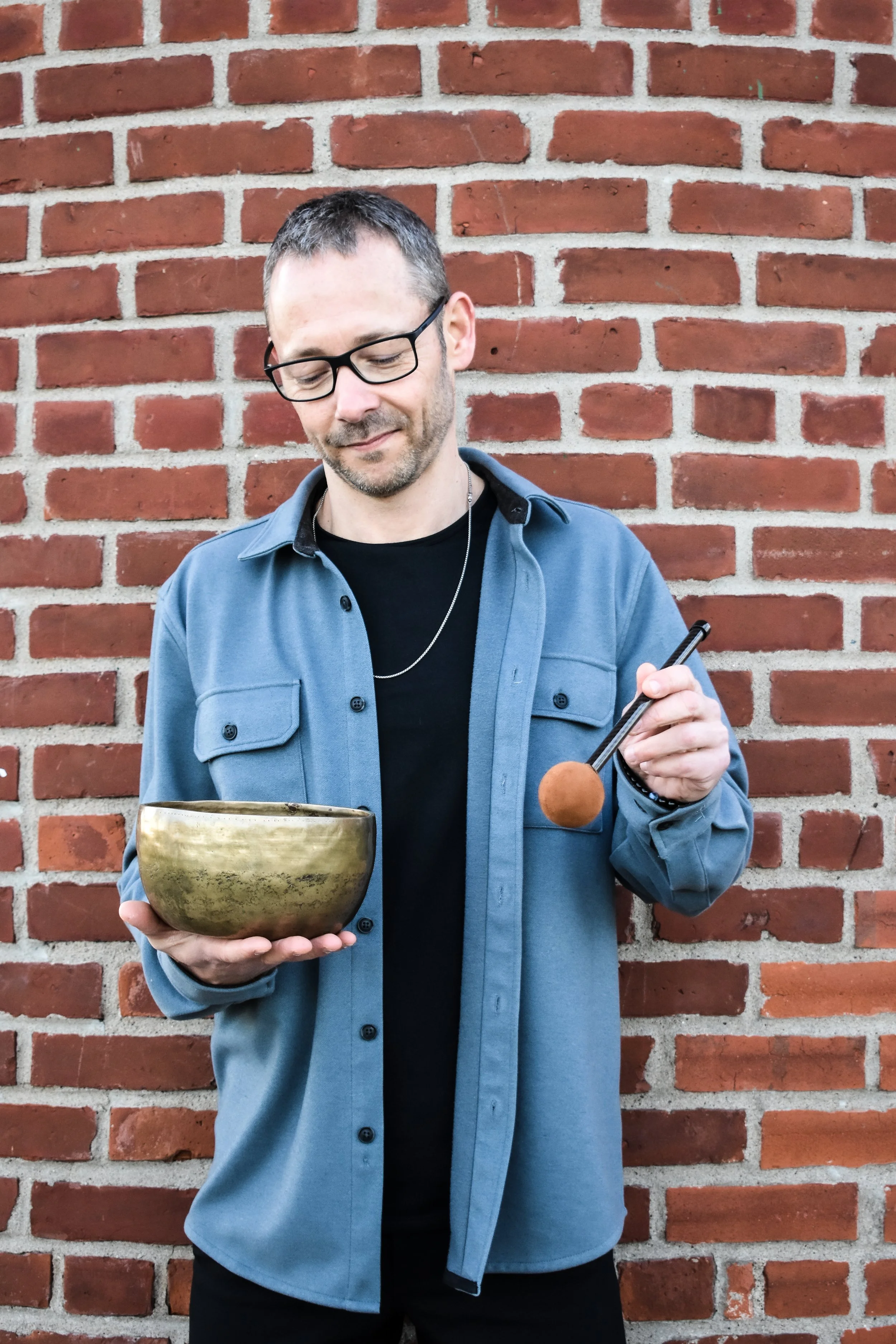
Why I Use Sound as Medicine
For years, I worked in sleep medicine helping people understand why they couldn't sleep.
One thing became increasingly clear: many people don't have a sleep problem—they have a nervous system that has forgotten how to slow down.
That's one of the reasons I fell in love with sound.
I don't use sound simply because it's relaxing.
I use sound because it helps create the internal conditions where the nervous system has an opportunity to shift away from constant stress and toward rest, recovery, and healing.
Sleep can't be forced.
The body has to feel safe enough to let go.
When we're constantly rushing, multitasking, worrying, and living in a heightened state of stress, that transition becomes much more difficult.
Sound gives us an opportunity to practice slowing down.
It helps quiet the constant mental chatter, encourages deep relaxation, and supports the body's natural ability to regulate itself.
That's why I often describe sound as my holistic version of a sleeping pill.
Not because it forces sleep.
Because it helps create the internal conditions that allow sleep to happen naturally.
I don't believe the goal is to force the body into sleep. I believe the goal is to help the body remember how to relax.
To me, that's medicine.
Experience Matters
Sound immersion is much more than playing beautiful instruments. It requires understanding how sound influences the nervous system, how to create a safe and supportive environment, and how to intentionally guide people into—and back out of—deep states of relaxation.
My journey into sound healing began with a three-month mentorship under an experienced sound healer and professional symphonic percussionist. That training went far beyond learning how to play instruments. It focused on nervous system regulation, understanding the purpose of different instruments, intentional sequencing, reading the energy of a room, and facilitating meaningful experiences rather than simply creating sound.
Since 2021, I've facilitated more than 70 public sound immersions, along with numerous one-on-one experiences, outdoor immersions, breathwork and sound events, acupuncture and sound collaborations, Energy Enhancement System (EES) sound immersions, and corporate wellness experiences.
Every group has taught me something new. Every experience has reinforced my belief that sound is one of the most powerful tools we have for helping the body slow down, regulate, and reconnect with its natural ability to rest and recover.
Experience doesn't just change how the instruments are played. It changes the experience itself.
What Can Sound Immersion Help With?
While every person's experience is unique, many people choose sound immersion because they're looking for a healthier way to slow down, regulate their nervous system, and reconnect with a sense of calm.
• Stress Management
• Nervous System Regulation
• Difficulty Slowing Down
• Racing or Overactive Mind
• Mental Fatigue & Burnout
• Deep Relaxation
• Mindfulness & Presence
• Emotional Well-Being
• Recovery from the Demands of Everyday Life
• Creating the Conditions for Better Sleep
Sound immersion isn't about escaping life. It's about helping your mind and body return to a calmer, more regulated state so you can better meet the demands of everyday life.
Ways to Experience Sound
Whether you're looking for a personalized one-on-one experience, a relaxing group immersion, or a unique workplace wellness offering, there are several ways to experience the restorative power of sound. Each experience is thoughtfully designed to support nervous system regulation, deep relaxation, and the conditions for better sleep.
Private Sound Immersion
One-on-one sessions designed around your unique goals. Ideal for nervous system regulation, deep relaxation, stress recovery, and better sleep.
Group Sound Immersions
Join me for public indoor, outdoor, and collaborative sound immersions designed to help you slow down, reconnect, and experience deep relaxation in community.
Corporate Wellness
Bring sound immersion to your workplace to support employee well-being, reduce stress, improve recovery, and encourage healthier, more productive teams.
What People Are Saying
Every sound immersion is unique, but the goal is always the same—to help people leave feeling calmer, more regulated, and more connected than when they arrived. Here's what a few participants have shared about their experience.
Better Sleep
"Hi Ryan! I slept really well! I slept through the whole night, which isn't common. I also wasn't sore when I woke up for the first time in a very long time. Thank you so much for a great sound immersion!"
Expert Facilitation
"Ryan pays careful attention to the process of sound healing—he's a true artist in his craft. He masterfully guided our group sound immersion to calm the mind, go deep, and then gently bring us back. A wonderful experience."
First-Time Experience
"I experienced my very first sound immersion, and it was so relaxing. That night my back and knee pain weren't as noticeable, and I felt a real sense of calm. If you need some relaxation or self-care, I highly recommend giving it a try."
Deep Relaxation
"The sound immersion was incredible! My whole day flowed with ease, and I remained in a relaxed state more consistently. My sleep was also great! Thank you again—I’ll definitely be back soon."
Professional & Personalized
"Ryan is a true therapeutic professional. He takes so much time and care with each client to customize their experience. The feedback from our members has always been stellar. Highly recommend!"
Lasting Impact
"I've attended several of Ryan's sound immersions, and each experience has been truly exceptional. His ability to guide meditation while playing a variety of instruments creates a deeply relaxing and calming atmosphere."
Frequently Asked Questions
If you're considering your first sound immersion, it's natural to have questions. Here are answers to some of the questions I hear most often before someone's first experience.
Getting Started
-
A sound immersion is a guided experience that uses carefully selected instruments, vibration, rhythm, silence, and breath to create an environment that encourages deep relaxation. Rather than simply playing instruments, I intentionally and methodically sequence each part of the experience to help guide the nervous system from a state of alertness toward one of deep relaxation.
The goal isn't to fix the body, but to create an environment that supports its natural ability to rest, recover, and regulate. During the experience, you'll simply lie down or sit comfortably while listening to instruments such as crystal singing bowls, Tibetan bowls, chimes, drums, bells, and other therapeutic instruments. There's nothing you need to do—just allow yourself to be present and receive the experience.
-
For floor-based sound immersions, I recommend bringing a yoga mat, blanket, pillow, and anything else that will help you feel comfortable for the duration of the experience. An eye mask is optional if you enjoy resting with your eyes covered.
For events where recliners or adjustable beds are provided, you may simply want to bring a blanket or pillow for added comfort.
The more comfortable you are, the easier it is to relax and fully immerse yourself in the experience.
-
Wear comfortable clothing that allows you to fully relax. Loose-fitting, comfortable layers are often best, as some people feel warmer while others feel cooler during a sound immersion. The goal is to be as comfortable as possible so your attention can remain on the experience rather than on your clothing.
The Experience
-
Not at all. Sound immersion is for everyone, whether you've been meditating for years or have never tried it before. There's nothing you need to learn or perform. Simply get comfortable, breathe naturally, and allow yourself to experience the sounds. My role is to intentionally guide the experience so you can simply relax and be present.
-
That's completely okay—and it's one of the most common concerns I hear. You don't have to "clear your mind" or stop your thoughts to benefit from a sound immersion. In fact, many people arrive with busy minds after a stressful day.
My role is to intentionally and methodically use sound to create an environment that encourages your nervous system to gradually shift from a state of alertness toward one of deep relaxation. Rather than trying to force your mind to become quiet, simply allow yourself to notice the sounds, your breath, and the present moment. Many people are surprised by how naturally their minds begin to settle over the course of the experience.
-
That's perfectly okay—and it happens more often than you might think. Many people become so deeply relaxed during a sound immersion that they naturally drift off to sleep. If that happens, there's nothing you need to worry about.
Even if you fall asleep, your brain and body are still receiving the sounds and vibrations throughout the experience. Whether you remain awake, drift in and out of sleep, or fall asleep completely, you can still benefit from the experience.
There isn't a "perfect" way to experience a sound immersion. Every person's experience is unique, and however your body responds is exactly okay.
-
That's completely okay. Snoring occasionally happens during sound immersions, especially when people become deeply relaxed. There's absolutely no judgment—it's simply a sign that your body has been able to let go and rest. If it happens, I'll gently manage the situation so everyone can continue enjoying the experience comfortably.
-
Absolutely. Your comfort is important, and I encourage you to adjust your position if you need to. Whether it's stretching your legs, changing positions, or sitting up for a few moments, listen to your body. My goal is to create an environment where you feel supported and comfortable throughout the experience.
-
No problem. If you need to step out during the sound immersion, you're welcome to do so at any time. Simply leave and return as quietly as possible so the experience isn't disrupted for others. Your comfort always comes first.
-
One of the beautiful things about sound immersion is that everyone hears the same sounds, yet everyone has their own individual experience. Even people who attend regularly often tell me that each sound immersion feels different than the last.
I believe much of that has to do with your current state of well-being. Factors such as stress, sleep, physical tension, emotions, and what your nervous system needs in that moment can all influence how you experience a sound immersion.
Some people leave feeling deeply relaxed, while others notice a quieter mind, emotional release, renewed energy, or simply enjoy an hour of uninterrupted rest. There isn't a "right" or "wrong" experience. My role is to intentionally and methodically create an environment that supports your nervous system. How your body responds is unique to you.
Special Considerations
-
Absolutely. While many of my sound immersions are floor-based, some locations offer chairs, recliners, or adjustable beds. If lying on the floor isn't comfortable for you, please contact me before the event so we can discuss the available seating options for that specific location. My goal is to help you be as comfortable as possible throughout the experience.
-
Many people who wear hearing aids have enjoyed my sound immersions. Because everyone's hearing needs, hearing aids, and comfort levels are different, I recommend using whatever feels most comfortable for you. If you have questions or concerns before attending, please feel free to contact me so we can discuss your individual situation.
-
Many pregnant women have attended and enjoyed sound immersions. Every pregnancy is unique, so if you're pregnant, I recommend checking with your healthcare provider if you have any questions or concerns before attending.
One of the primary goals of a sound immersion is to help promote deep relaxation and support nervous system regulation. When a mother is able to relax, that calmer physiological state may also have positive effects on her developing baby. If you'd like to discuss the event or any accommodations beforehand, please feel free to contact me.
-
I recommend avoiding alcohol before your sound immersion and waiting until the following morning before drinking afterward. One of the primary goals of a sound immersion is to help calm the nervous system and encourage deep relaxation. Alcohol works against many of those same processes by disrupting normal nervous system function and sleep quality.
Giving your body time to fully experience and integrate the relaxation response allows you to get the greatest benefit from your sound immersion.
Getting the Most from Your Experience
-
There's no one-size-fits-all answer. Some people attend occasionally as a way to relax and recharge, while others incorporate sound immersion into their regular self-care routine. If you're using sound immersion to support stress management, nervous system regulation, or better sleep, consistency often provides the greatest benefit. Together, we can determine a frequency that best fits your goals and lifestyle.
-
It certainly can, but perhaps not for the reason many people think. Sound immersion isn't intended to make you fall asleep during the session. Instead, it's designed to help regulate the nervous system and create an environment that supports relaxation.
When the nervous system spends less time in a state of stress or alertness, the body is often better prepared for restful sleep later that night. Many participants tell me they fall asleep more easily, sleep more deeply, or simply wake up feeling more refreshed after attending a sound immersion.
While everyone's experience is unique, I often describe sound immersion as a holistic sleeping pill. Rather than forcing sleep, it helps create the conditions that allow your body to do what it was designed to do naturally.
Attending an Event
-
Some of my sound immersions are family-friendly, while others are designed specifically for adults. When children are welcome, the event description will clearly indicate the recommended age, which is typically 12 years and older. If you're unsure whether a particular event is appropriate for your child, please feel free to contact me before registering.
-
To create the best possible experience for everyone, sound immersions begin promptly at the scheduled start time. Once the experience has begun, late arrivals are generally not able to join, as entering after the session has started can disrupt the relaxation of the group. Please plan to arrive a few minutes early so you have time to get comfortable before we begin.
-
Registration for public sound immersions is completed online. You can find upcoming events and registration links on my Events page. Private one-on-one sound immersion sessions can also be booked online through my scheduling page.
For Organizations
-
Absolutely. Stress, mental fatigue, and poor sleep affect every workplace. When employees have an opportunity to step away from constant demands and intentionally slow down, they often return feeling more relaxed, refreshed, and recharged.
I offer customized sound immersion experiences for businesses, healthcare organizations, leadership retreats, conferences, and employee appreciation events. Organizations also have the option to enhance the experience with an engaging sleep education presentation, giving employees practical strategies they can use to improve sleep, manage stress, and support their overall well-being.
Whether you're looking for a unique wellness experience or a more comprehensive program, I'd be happy to create an experience that fits the goals of your organization.
Your Journey to Better Sleep Doesn't Begin at Bedtime
It begins by creating an environment where your body and nervous system can do what they were designed to do naturally.
Whether you're looking to improve your sleep, reduce stress, support your overall well-being, or allow yourself to slow down, sound immersion offers a unique opportunity to reconnect with yourself in a calm, supportive environment.
I'd be honored to be a part of your journey.