
Better Sleep Starts with Understanding.
Helping you understand your sleep through personalized coaching backed by 17 years of sleep medicine experience so that you can make meaningful, lasting improvements.
Sleep Better. Live Better.
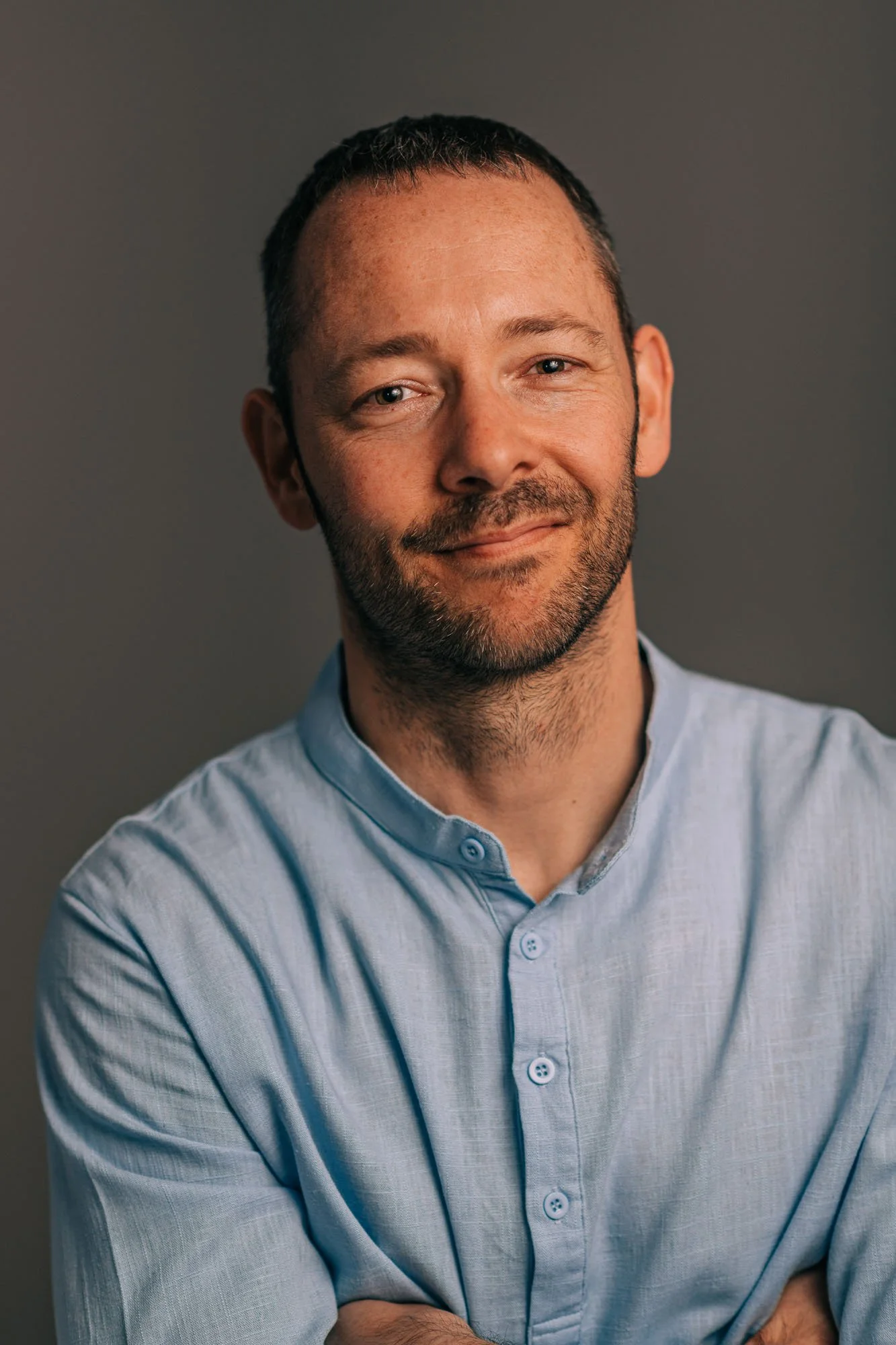
If you're here, there's a good chance you've been struggling with sleep for a while.
Maybe you have trouble falling asleep. Maybe you wake up throughout the night. Maybe you sleep eight hours but still wake up exhausted. Or perhaps you've been diagnosed with sleep apnea, started CPAP therapy, and expected to feel better by now.
Whatever brought you here, you're not alone.
Sleep challenges are incredibly common, but that doesn't make them any less frustrating. When you're tired day after day, it can affect nearly every part of your life—from your energy and concentration to your mood, relationships, and overall health.
By the time many people seek help, they've already tried a lot.
They've searched online, listened to podcasts, read articles, bought supplements, downloaded sleep apps, experimented with different bedtime routines, or invested in products that promised better sleep.
Some have completed sleep studies.
Some have been prescribed medication.
Some have started PAP therapy.
Yet despite all of that effort, they're still left wondering...
"Why am I still not sleeping well?"
I think that's a great question.
And it deserves more than a quick answer.
One of the biggest misconceptions about sleep is that there's always one thing to fix.
In reality, sleep is influenced by many different factors. Your circadian rhythm. Sleep pressure. Stress. Your nervous system. Breathing. Daily habits. Light exposure. Medical conditions. Medications. Your sleep environment. Even the timing of your meals and exercise can play a role.
Sometimes one factor stands out.
More often, it's several small pieces working together.
That's why I created this practice.
Not to hand out another list of sleep tips.
Not to recommend another supplement.
Not to overwhelm you with information.
I created it to help people understand how sleep works, identify what may be contributing to their sleep challenges, and develop practical strategies that fit their lives.
Because when you understand your sleep...
You're in a much better position to improve it.
Does Any of This Sound Familiar?
Maybe you're exhausted all day but wide awake when your head finally hits the pillow.
Maybe you fall asleep easily, only to wake up at 2:00 or 3:00 in the morning with your mind racing.
Maybe your spouse tells you that you snore, stop breathing, or toss and turn all night.
Or maybe you've been using CPAP and expected to feel better by now, but you're still wondering why you're tired.
You may have found yourself asking questions like...
• Why can't I turn my brain off at night?
• Why am I exhausted even though I slept for eight hours?
• Why do I wake up feeling like I barely slept?
• Why does my CPAP still feel uncomfortable?
• Am I doing something wrong?
• Why does everyone else's advice seem to work except mine?
If any of those thoughts sound familiar...
You're not failing.
You're not lazy.
And you're certainly not the only person asking those questions.
Sleep can be incredibly frustrating, especially when you feel like you've already tried everything.
Whether you call it insomnia, trouble sleeping, or simply feeling like your sleep isn't working anymore, understanding what may be contributing to it is an important place to start.
The good news is this...
There are often reasons behind what you're experiencing.
And once you begin to understand those reasons, sleep starts to make a lot more sense.
Why Is Sleep So Difficult?
If there were one simple answer to better sleep, you probably wouldn't be here.
The truth is, sleep is one of the most complex functions of the human body. It isn't controlled by a single switch or influenced by just one habit. Instead, healthy sleep depends on many different systems working together throughout the day and night.
That's why two people can both struggle with sleep, yet have completely different reasons for it.
For one person, stress and an overactive mind may make it difficult to fall asleep.
For another, untreated sleep apnea may be disrupting sleep without them realizing it.
Someone else may be working against their natural circadian rhythm, adjusting to retirement, navigating menopause, struggling with CPAP comfort, living with chronic pain, or unknowingly making small daily choices that interfere with healthy sleep.
More often than not, it's not just one thing.
It's several pieces of the puzzle working together.
One of the biggest misconceptions I see is that better sleep comes from finding the perfect supplement, gadget, or bedtime routine.
While those things may have a place for some people, lasting improvement usually begins by understanding why you're struggling in the first place.
When you understand what's contributing to your sleep, you're able to focus your energy on the strategies that are most likely to help—instead of constantly guessing.
That's what sleep coaching is all about.
It's not about giving everyone the same advice.
It's about understanding your sleep.
Because your health, your lifestyle, your schedule, your goals, and your challenges are unique.
And your approach to better sleep should be unique, too.
One Thing I've Learned After 17 Years in Sleep Medicine
After spending nearly two decades working in sleep medicine and helping thousands of people, I've noticed something that comes up again and again.
Most people aren't looking for another quick fix.
They're looking for answers.
They want someone to help them understand what's happening, why it's happening, and what they can realistically do about it.
I've met people who blamed themselves for years because they couldn't sleep.
People who thought they just needed more willpower.
People who were overwhelmed by conflicting advice online.
People who felt discouraged because they had tried so many things without lasting success.
The truth is...
Most of them weren't failing.
They didn't understand how all the pieces fit together.
One of the things I hear most often is:
"No one has ever explained it to me like this before."
I've also had people tell me...
"I learned more from you than I did during my previous sleep studies."
Or...
"My spouse needs to come see you."
Those comments mean a great deal to me.
Not because they're compliments.
But because they remind me why education matters.
That's one of the reasons I created this practice.
I wanted to create a place where people could slow down, ask questions, understand their sleep, and feel supported along the way.
Because I believe that understanding your sleep isn't just interesting.
It's empowering.
When you understand why you're struggling, you're able to make better decisions, build healthier habits, and move forward with greater confidence.
A Different Approach To Sleep Coaching
I don't believe better sleep comes from chasing the next hack, supplement, or quick fix.
I believe it comes from understanding how sleep works, recognizing the patterns that influence it, and making meaningful changes that fit your life.
That's the foundation of my approach to sleep coaching.
It Starts with Your Story
Before we meet, you'll complete a comprehensive intake form that helps me understand your sleep history, lifestyle, health, daily routines, stressors, and what you're hoping to achieve through coaching.
When we meet, we'll review your intake, but the first session isn't about checking boxes or rushing to solutions.
It's about listening.
I want to hear your story.
Because every person sleeps differently, every person's challenges are different, and every coaching experience should reflect that.
Looking Beyond the Symptoms
One thing I've learned after 17 years in sleep medicine is that poor sleep rarely has just one cause.
Rather than focusing on a single symptom, I look for patterns.
Together, we'll explore the factors that may be influencing your sleep—from your daily routines and behaviors to your circadian rhythm, light exposure, stress, nervous system, sleep environment, and other lifestyle factors.
Sometimes the smallest changes create the biggest improvements.
The key is understanding which changes matter most for you.
Education Comes First
I don't believe my job is to tell you what to do.
My job is to help you understand why.
Throughout our sessions, I'll explain how sleep works in a way that's practical, relatable, and easy to understand while answering your questions along the way.
My goal is for you to leave each session not only with recommendations, but with a better understanding of your own sleep.
Because when you understand what's happening, you're better equipped to make meaningful, lasting changes.
Building a Plan Together
Before your first session ends, we'll discuss practical strategies that fit your life, goals, and unique situation.
You'll also receive a sleep tracker to complete before our next session. Rather than relying on memory alone, we'll use it to identify patterns, measure progress, and guide our next steps together.
Each follow-up session begins with a brief check-in so we can review what's improved, what challenges remain, and continue building on your progress.
My Goal
My goal isn't to create dependence.
It's to give you the knowledge, awareness, and practical tools to understand your sleep better and feel confident making changes that support it for years to come.
Because meaningful improvements in sleep don't happen by accident.
They happen when you understand your body, recognize your patterns, and make intentional changes that fit your life.
Better Sleep Starts with Understanding
Sleep isn't controlled by just one thing.
It's influenced by dozens of factors that interact with one another every day.
That's why lasting improvement rarely comes from focusing on a single tip, supplement, or quick fix.
Together, we'll explore the areas that have the greatest impact on your sleep and identify where meaningful changes can make the biggest difference.
Together, We'll Explore
Circadian Rhythm
Your internal body clock influences when you feel awake, sleepy, energetic, and alert. Light exposure, meal timing, activity, and daily routines all play an important role in keeping it aligned.
Sleep Pressure
Your body naturally builds the drive to sleep throughout the day. Napping, caffeine, irregular schedules, and other daily habits can influence this process more than many people realize.
Your Nervous System
When your nervous system spends too much time in a heightened state, falling asleep and staying asleep can become much more difficult. Together, we'll explore ways to support a healthier balance between stress and recovery.
Stress & Anxiety
Whether it's everyday stress, a racing mind at bedtime, or long-term life challenges, we'll discuss practical strategies that can help quiet the mind and support more restful sleep.
Daily Habits & Lifestyle
Movement, nutrition, alcohol, caffeine, evening routines, work schedules, and countless small daily choices can all influence sleep quality.
Your Sleep Environment
Temperature, light, noise, bedding, electronics, and even your bedroom setup can either support healthy sleep or work against it.
Medical & Sleep History
Past sleep studies, diagnosed sleep disorders, medications, chronic health conditions, and other medical factors may provide valuable pieces of the puzzle.
Your Goals
Most importantly, we'll focus on what matters to you. Whether your goal is falling asleep more easily, improving daytime energy, reducing nighttime awakenings, or simply feeling like yourself again, our work together is designed around your individual needs.
Every Person Is Different
No two people sleep exactly alike.
That's why there isn't a one-size-fits-all formula.
Some people benefit most from improving their circadian rhythm.
Others need to focus on nervous system regulation, daily habits, or addressing behaviors that have gradually become barriers to healthy sleep.
My role is to help identify what matters most for you and provide the education and tools to help you move forward with confidence.
Why I Do This Work
People often ask me how I became so passionate about sleep.
The answer is simple.
Over the past 17 years in sleep medicine, I've seen firsthand how profoundly poor sleep can affect every aspect of a person's life.
I've worked with thousands of individuals struggling with insomnia, sleep apnea, shift work, excessive daytime sleepiness, and other sleep-related challenges. While every person's story is unique, one thing has remained remarkably consistent:
Poor sleep doesn't just affect your nights.
It affects your days, your relationships, your work, your health, and your overall quality of life.
That's why I believe helping someone sleep better can change far more than just the number of hours they spend asleep.
It can change how they live.
More Than Clinical Experience
My understanding of sleep hasn't come solely from working in sleep medicine.
Like many people, I've experienced periods of poor sleep myself. I've worked overnight shifts, navigated changing sleep schedules, and learned firsthand how difficult it can be when your circadian rhythm is out of balance.
Those experiences have given me empathy for what many of my clients are going through.
They've also reinforced something I've believed throughout my career:
Every person's sleep story deserves to be understood before it's treated.
Why I Teach
One of my favorite parts of working in sleep medicine has always been educating people.
I've found that when people understand how sleep works, they become more confident, more engaged, and more empowered to make meaningful changes.
That's why education is at the heart of everything I do—whether I'm working one-on-one with a client, teaching a community class, supporting someone with PAP therapy, or leading a sound immersion experience.
My goal has never been to overwhelm people with information.
It's to make sleep easier to understand.
My Mission
I believe better sleep has the power to improve nearly every aspect of our lives.
That's why I'm committed to helping people understand their sleep, recognize the patterns that influence it, and develop practical strategies that support lasting change.
Because when you sleep better...
You have the opportunity to live better.
Is Sleep Coaching Right For You?
Sleep coaching may be a good fit if you...
Struggle to fall asleep or stay asleep.
Wake up feeling tired, even after a full night's sleep.
Feel like you've "tried everything" without lasting success.
Work shifts or have an irregular schedule.
Want to improve your sleep naturally through education and practical strategies.
Feel overwhelmed by conflicting sleep advice online.
Want personalized guidance instead of another generic sleep checklist.
Simply want to understand your sleep better.
You don't need to be diagnosed with a sleep disorder to benefit from sleep coaching.
And you don't have to navigate your sleep challenges alone.
Whether you've struggled for months or years, we'll work together to better understand what's affecting your sleep and identify practical steps that fit your life.
What Sleep Coaching Is—and Isn't
Sleep coaching isn't about perfection.
It's not about following a rigid routine or buying another supplement.
And it's certainly not about judging your habits.
Instead, it's about understanding your sleep, recognizing the patterns that influence it, and making realistic, sustainable changes that support better rest and overall health.
Every person's sleep journey is different.
That's why every coaching experience should be, too.
A Partnership
The most meaningful improvements happen when we work together.
I'll bring my experience, education, and guidance.
You'll bring your story, your goals, and a willingness to learn.
Together, we'll build a plan that's realistic, personalized, and designed to support lasting change.
Frequently Asked Questions
-
A sleep coaching session lasts approximately 60 minutes. Before we meet, you'll complete a comprehensive intake form so we can spend our time discussing your story, identifying patterns, answering your questions, and developing a personalized plan.
-
No. Many people benefit from sleep coaching without ever having had a sleep study. If you've completed one in the past, you're welcome to share the results, but it's not required.
-
Yes. Sleep coaching is available both in person at my Hudson, Wisconsin, office and virtually through Zoom, making it easy to work together wherever you live.
-
Every person is different. Some people benefit from just a few sessions, while others prefer ongoing support and accountability as they work toward their sleep goals. We’ll determine what makes the most sense based on your individual needs.
-
Sleep coaching is a private-pay service and is not billed through insurance.
-
Absolutely. While PAP Support is offered as its own service, sleep coaching can still be valuable for people using CPAP, BiPAP, or ASV who want to improve their sleep habits, circadian rhythm, nervous system regulation, and overall sleep quality.
-
You're not alone. Many of the people I work with have been struggling for months—or even years. My goal isn't to offer another quick fix. It's to help you better understand your sleep, identify the patterns affecting it, and develop practical strategies that support meaningful, lasting improvement.
Ready to sleep better?
Better sleep begins with understanding.
If you're ready to better understand your sleep, identify what's getting in the way, and develop practical strategies that fit your life, I'd love to help.
Whether you're looking to improve your sleep for the first time or you've been searching for answers for years, we'll work together to create a personalized plan that supports meaningful, lasting change.